
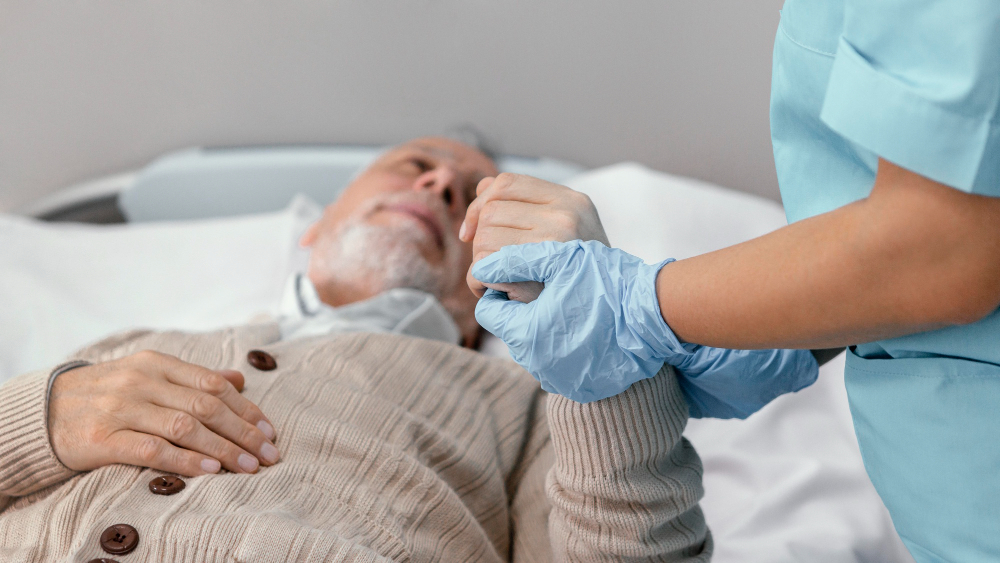
Introduction to Palliative Care and Its Goals
Palliative care helps people with serious illnesses feel better. It focuses on comfort, not cure. Many people seek relief from pain, stress, and other symptoms. Often, palliative care supports both patients and their families. The main goal is to improve quality of life. This care can begin at any stage of illness. Sometimes, it works alongside treatments that aim to cure. In every case, comfort beyond cure is a key goal.
What Is Homeopathy? Brief Overview
Homeopathy is a natural system of medicine. It uses very small amounts of natural substances. These substances come from plants, minerals, or animals. Homeopathy believes that the body can heal itself. Remedies are chosen based on a person’s unique symptoms. Many people use homeopathy for a wide range of health issues. Some choose it as a gentle option for care.
The Role of Homeopathy in Palliative Care
Homeopathy in palliative care aims to ease discomfort. It does not replace standard medical care. Instead, it works alongside other treatments. Many families look for natural remedies for end-of-life care. Homeopathic remedies may help with pain, anxiety, or sleep problems. They can also support emotional well-being. However, it is important to talk with your healthcare team before starting any new remedy.
Common Symptoms Addressed by Homeopathy in Palliative Settings
Homeopathy may help manage several symptoms in palliative care. For example, some common issues include:
Because each person is different, remedies are chosen based on individual needs. Sometimes, a homeopath may adjust remedies as symptoms change.
Evidence and Perspectives: What Does Research Say?
Research on homeopathy in palliative care is still growing. Some studies suggest homeopathy may help with certain symptoms, like pain or anxiety. However, large reviews by the World Health Organization and other experts say more research is needed. Not all studies show clear benefits. Still, some patients report feeling better with homeopathic care. Always discuss any new treatment with your doctor.
Safety, Limitations, and Considerations
Homeopathic remedies are usually safe when used as directed. They are made from highly diluted substances. However, they should not replace standard medical care. Some people may delay needed treatments if they rely only on homeopathy. It is important to use homeopathy as part of a full care plan. Always tell your healthcare team about any remedies you use. This helps avoid unwanted effects or drug interactions.
Practical Tips for Patients and Families Considering Homeopathy
Prevention and Lifestyle Guidance
While palliative care focuses on comfort, healthy habits still matter. For example, eating balanced meals can help maintain strength. Gentle movement, if possible, may ease stiffness or pain. Staying connected with loved ones supports emotional health. Open talks with your care team can help you make the best choices. Although homeopathy may offer comfort, it works best as part of a full care plan.
Conclusion
In summary, homeopathy in palliative care may offer comfort beyond cure by helping manage symptoms and supporting well-being. However, it should not replace standard treatments. Always consult a qualified healthcare provider at Hari-Mangal Homeopathic Cancer Centre for personalized advice on palliative care options.